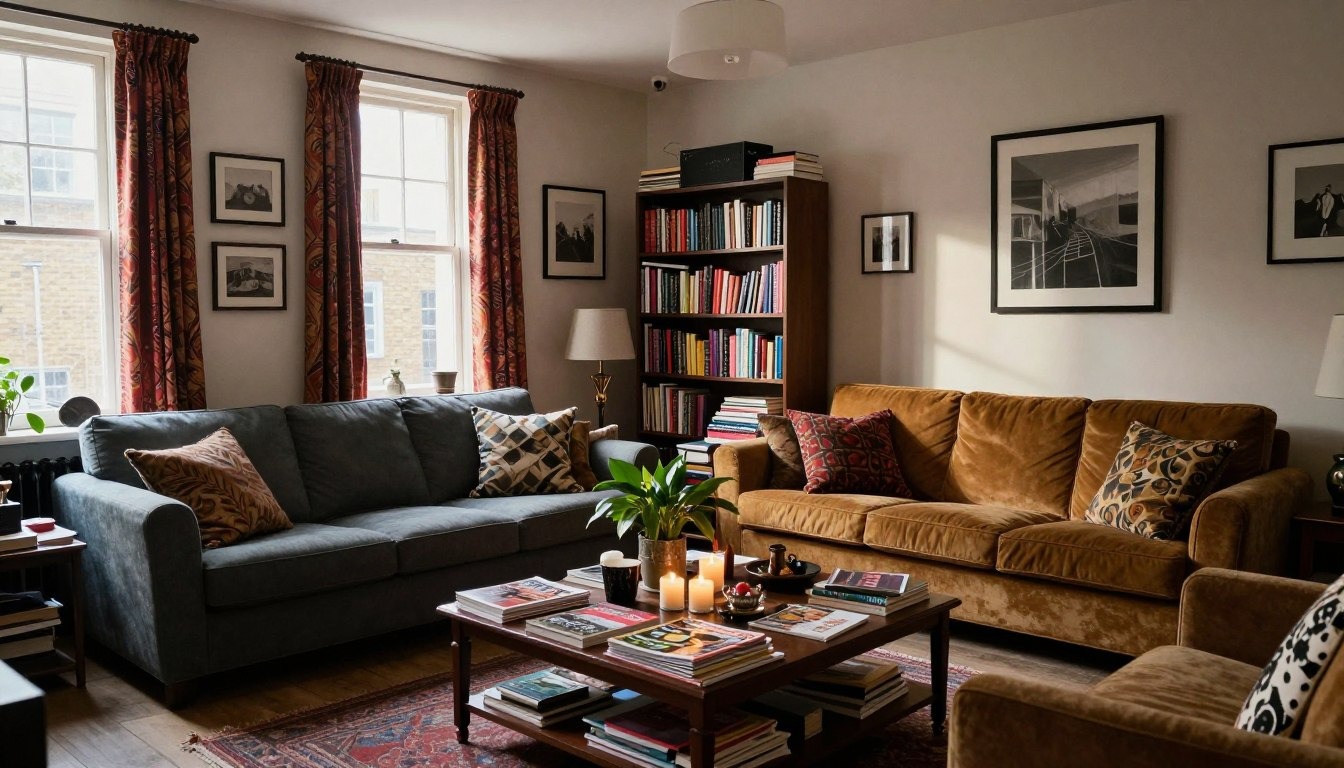
Renovating a property in the capital presents a unique set of hurdles for every resident. Historic buildings often possess a distinct charm that requires a delicate touch to preserve while updating for modern life.
Many people struggle to balance these period features with the practical needs of a contemporary household. Unfortunately, common interior design mistakes can easily detract from the inherent character of your home if you are not careful.
Professional guidance is essential to ensure your renovation project succeeds. By working with experts, you can harmonise aesthetic appeal with the functional requirements of city living.
Key Takeaways
- Historic properties require a careful balance between preservation and modern functionality.
- Avoiding common pitfalls helps maintain the unique character of your London residence.
- Professional advice ensures that your renovation project meets both aesthetic and practical goals.
- Strategic planning prevents costly errors during the refurbishment process.
- Maximising natural light is vital for smaller urban living spaces.
The Unique Challenges of London Property Architecture
Navigating the complexities of a period property requires a delicate balance between preservation and modernisation. Many homeowners find that the very features which make these buildings desirable also create significant obstacles during a London home renovation. Understanding the structural limitations is the first step toward creating a space that feels both historic and functional.
Adapting to Victorian and Edwardian Layouts
Victorian and Edwardian homes are famous for their narrow hallways and compartmentalised room structures. While these layouts offer a sense of history, they often feel restrictive for modern living. Integrating Victorian home decor requires a thoughtful approach that respects the original floor plan while improving the flow of light and movement.
Designers often suggest removing non-load-bearing walls to create a more open feel without losing the home’s soul. It is essential to maintain original cornicing and skirting boards to ensure the character remains intact. By blending these heritage elements with contemporary furniture, you can achieve a sophisticated and balanced aesthetic.
Maximising Vertical Space in Terraced Homes
Terraced houses in London frequently feature high ceilings that remain underutilised by many residents. You can transform these vertical dimensions by installing floor-to-ceiling cabinetry or mezzanine levels. This strategy is particularly effective in smaller rooms where floor space is at a premium.
Utilising the height of your walls helps draw the eye upward, making the room feel significantly larger. Whether you choose bespoke shelving or tall, elegant curtains, these additions enhance the grandeur of your Victorian home decor. Consider the following table to help plan your renovation strategy effectively.
| Architectural Feature | Design Challenge | Recommended Solution |
| Narrow Hallways | Lack of storage | Slimline bespoke joinery |
| High Ceilings | Feeling of emptiness | Statement lighting fixtures |
| Period Fireplaces | Restricted furniture layout | Built-in alcove shelving |
| Small Windows | Limited natural light | Strategic mirror placement |
Ignoring Natural Light in Period Properties
Bringing light into a historic home requires a delicate balance between preservation and modern design. Many homeowners find that their rooms feel dark or compartmentalised, which often stems from the original architectural layout. By embracing thoughtful period property styling, you can brighten these spaces without losing the charm that makes your home unique.
The Impact of Sash Windows on Interior Brightness
Traditional sash windows are a hallmark of Victorian home decor, yet they often limit the amount of natural light entering a room. Their heavy frames and divided panes can create deep shadows in corners. To improve light flow, consider using sheer window treatments that allow daylight to filter through while maintaining privacy.
Keeping the glass clean and ensuring that window sills remain free of bulky items will also help. Small adjustments to how you dress your windows can significantly change the overall brightness of your living space.
Strategic Mirror Placement to Enhance Daylight
Reflective surfaces are an essential tool for anyone working with Victorian home decor. Placing a large mirror opposite a window is a classic technique that bounces light deeper into the room. This simple trick effectively doubles the perceived natural light in smaller, darker areas.
When applying these period property styling methods, consider the following comparison of light-enhancing strategies:
| Technique | Primary Benefit | Visual Impact |
| Large Wall Mirrors | Reflects daylight | High |
| Sheer Curtains | Softens glare | Medium |
| Glossy Finishes | Bounces light | High |
| Light Paint Tones | Increases luminosity | Medium |
Overlooking the Importance of Scale and Proportion
When your living space is restricted, every piece of furniture must earn its place. Many homeowners fail to realise that the secret to a beautiful home lies in the careful balance of scale rather than the quantity of items on display. Achieving this harmony is essential for creating a comfortable environment in compact city dwellings.
Selecting Furniture for Compact London Rooms
Choosing the right pieces is a fundamental aspect of small space design. Oversized sofas or bulky cabinets can quickly overwhelm a room, making it feel claustrophobic and difficult to navigate. Instead, opt for bespoke furniture London artisans create to fit the specific dimensions of your unique floor plan.
Investing in space-saving furniture allows you to maximise every square inch without sacrificing comfort. Consider multi-functional items, such as ottomans with hidden storage or slim-profile tables that maintain a sense of openness. These tailored solutions ensure that your furniture complements the architecture rather than fighting against it.
Avoiding the Cluttered Aesthetic
A common mistake is filling every corner with decor, which disrupts the visual flow of a room. To maintain an airy atmosphere, you must embrace the principle of negative space. By keeping surfaces clear and choosing a few high-quality statement pieces, you create a more sophisticated look.
Effective small space design relies on keeping the floor visible whenever possible. When you select bespoke furniture London homes often require, look for designs with raised legs to create an illusion of extra depth. Utilising space-saving furniture effectively will transform your home into a serene retreat that feels both spacious and intentional.
Common Interior Design Mistakes That Compromise Functionality
Achieving a truly functional interior layout requires a careful balance between visual appeal and everyday convenience. A room may look stunning in a photograph, but it often fails if it does not support the daily habits of its inhabitants. Many homeowners focus so heavily on the final look that they neglect the practical requirements of their household.
Avoiding common interior design mistakes is essential for creating a home that feels as good as it looks. When you prioritise style over substance, you risk creating a space that feels restrictive rather than welcoming.
Prioritising Form Over Practical Living
It is easy to be swayed by current trends, yet true comfort should always remain the priority. Choosing a sofa that looks perfect but lacks proper support or selecting delicate materials for high-traffic areas are frequent errors. These choices often lead to frustration when the furniture does not withstand the rigours of daily life.
Instead, consider how each piece serves your specific needs. Quality and durability should guide your decisions, ensuring that your home remains a sanctuary for years to come.
The Flow of Movement in Open-Plan Conversions
Open-plan living is popular in London, but it requires a strategic approach to maintain a functional interior layout. Without clear zones, these large areas can quickly become chaotic and difficult to navigate. You must ensure that there is a logical path for movement between the kitchen, dining, and lounge areas.
Avoid blocking walkways with oversized furniture or unnecessary decor items. Clear circulation paths are vital for maintaining a sense of order and ease. By carefully mapping out your furniture placement, you can create a space that feels both expansive and highly efficient for your family.
The Pitfall of Over-Matching Furniture and Decor
Relying on uniform furniture suites often strips a London home of its unique character and charm. While buying a matching set may seem like a simple solution, it frequently results in a sterile environment that lacks soul. True luxury is found in the deliberate selection of individual pieces that resonate with your personal style.
To elevate your living space, you must move beyond the showroom aesthetic. By curating your home with intention, you create a narrative that feels authentic and inviting.
Creating Depth Through Texture and Material Variation
A room feels flat when every surface shares the same finish or material. You can introduce visual interest by layering contrasting textures, such as pairing a rough wool rug with a sleek, polished marble coffee table. This approach is essential for achieving modern interior aesthetics that feel both sophisticated and comfortable.
Consider the tactile experience of your furniture. Mixing velvet upholstery with metallic accents or natural timber creates a sensory richness that a matching set simply cannot replicate.
“The most beautiful homes are those that reflect the people who live in them, not the pages of a furniture catalogue.”
— Anonymous
Mixing Vintage Finds with Contemporary Pieces
The most successful interiors often feature a blend of eras. Integrating unique vintage finds with bespoke furniture London artisans have crafted provides a sense of history and craftsmanship. This juxtaposition prevents a room from feeling like a static display and adds a layer of depth that evolves over time.
When you combine a mid-century antique chair with a custom-made sideboard, you create a focal point that sparks conversation. This balance is the hallmark of a well-designed home.
| Feature | Matching Sets | Curated Spaces |
| Visual Impact | Predictable and flat | Dynamic and layered |
| Personal Style | Generic and impersonal | Unique and expressive |
| Longevity | Often trends-based | Timeless and bespoke |
By investing in bespoke furniture London experts create, you ensure that your home remains distinct. Embracing these modern interior aesthetics allows you to build a space that is not only functional but deeply personal.
Neglecting Proper Lighting Layers in Small Spaces
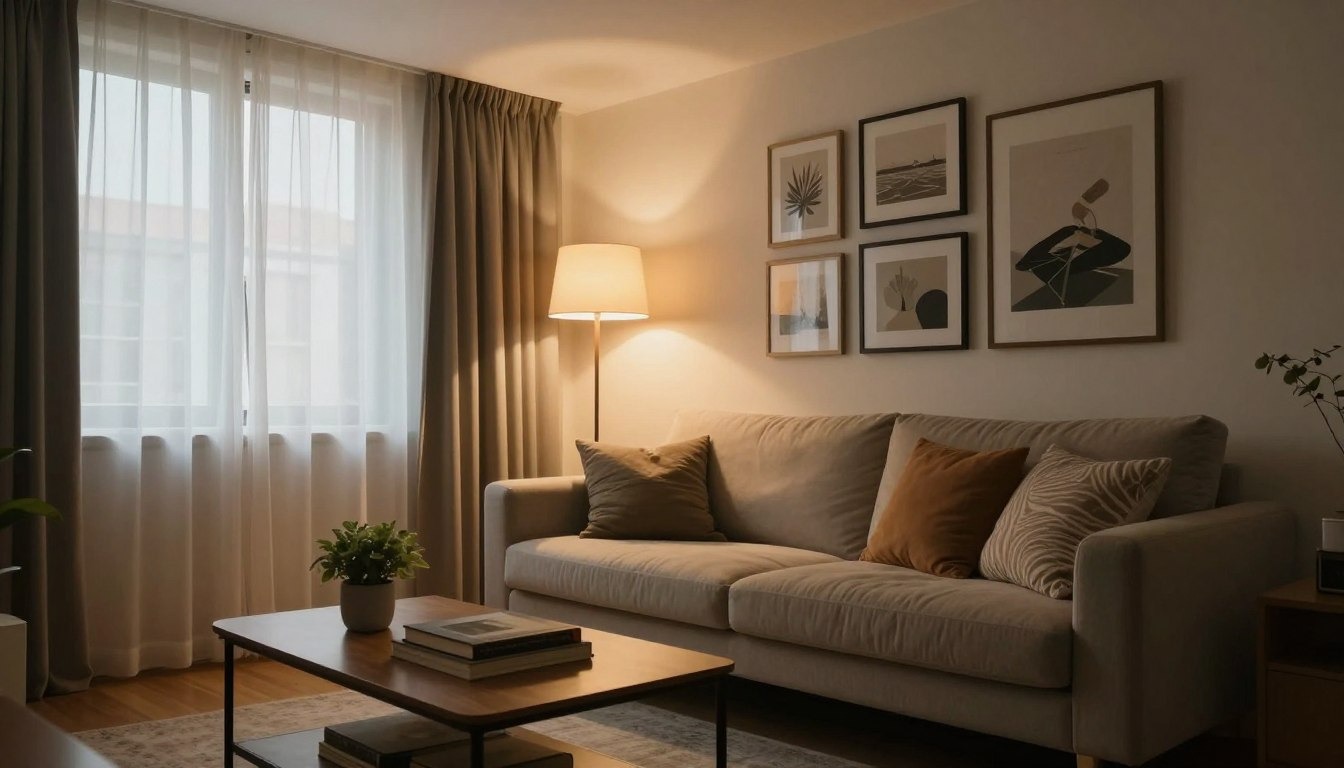
Proper lighting design is the secret ingredient that makes a compact London flat feel spacious and inviting. Many homeowners focus solely on furniture, yet effective illumination is what truly defines the character of a room. By mastering small space design, you can create an environment that feels both functional and warm.
The Role of Ambient, Task, and Accent Lighting
To achieve a professional finish, you must layer your light sources. Relying on a single overhead pendant often creates harsh shadows that make a room feel smaller. Instead, incorporate these three essential layers to improve your lighting design tips:
- Ambient Lighting: Provides the overall glow for the room, usually through ceiling fixtures or wall sconces.
- Task Lighting: Focuses light on specific areas where you work, such as reading nooks or kitchen counters.
- Accent Lighting: Highlights architectural features or artwork to add depth and visual interest.
Choosing the Right Colour Temperature for London Homes
The colour temperature of your bulbs significantly impacts the mood of your home. In London, where grey skies are common, choosing the right warmth is essential for comfort. We recommend using warm white bulbs (around 2700K to 3000K) to ensure your living areas feel cosy during the winter months.
Avoid cool, blue-toned lights, as these can make a small room feel clinical and uninviting. The following table outlines how to select the best lighting for your specific needs:
| Lighting Type | Primary Purpose | Recommended Temperature | Best Location |
| Ambient | General visibility | 2700K – 3000K | Living room, hallway |
| Task | Focused activity | 3000K – 4000K | Kitchen, home office |
| Accent | Decorative highlight | 2200K – 2700K | Shelving, alcoves |
By carefully selecting your bulbs and fixtures, you can transform your home into a sanctuary. Remember that lighting design tips are not just about brightness; they are about creating a balanced, welcoming atmosphere that enhances your daily life.
Failing to Prioritise Storage Solutions
A lack of adequate storage often turns a beautiful home into a cluttered environment. In many historic properties, the absence of built-in cupboards leads to visual chaos that undermines the overall design. By failing to plan for your belongings, you inadvertently reduce the comfort and utility of your living areas.
Implementing a functional interior layout requires you to look at your home with a critical eye. You must identify dead zones that could serve a better purpose. When you address these areas, you create a more harmonious flow throughout your rooms.
Bespoke Joinery for Alcoves and Under-Stair Areas
London homes often feature awkward alcoves flanking chimney breasts or unused voids beneath staircases. These spaces are perfect candidates for custom cabinetry. Bespoke joinery allows you to maximise every centimetre of available floor space while maintaining the architectural integrity of the room.
Custom-built units can be designed to blend seamlessly with your existing skirting boards and cornicing. This approach ensures that your storage feels like a natural part of the house rather than an afterthought. Consider these advantages of investing in professional joinery:
- Increased property value through high-quality, permanent fixtures.
- Tailored organisation that fits your specific collection of books, media, or linens.
- Visual cohesion by matching finishes to your wall colour or woodwork.
Hidden Storage Ideas for Minimalist Interiors
If you prefer a clean aesthetic, you should focus on minimalist storage solutions that keep your surfaces clear. The goal is to hide the items you use daily while keeping them easily accessible. Integrated cupboards with push-to-open doors are excellent for maintaining a sleek, handle-free look.
Furthermore, incorporating space-saving furniture can significantly improve the utility of smaller rooms. Think of ottomans with internal compartments or beds featuring deep drawers underneath. These pieces allow you to store seasonal items out of sight, ensuring your home remains a peaceful sanctuary.
“The secret to a tidy home is not just about cleaning, but about giving every single item a dedicated place to live.”
Underestimating the Impact of Colour Palettes
The way light shifts across a room in London can turn a beautiful paint colour into a disappointing shade. Many homeowners rush into colour palette selection without considering how the unique atmospheric conditions of the city affect their walls. A colour that looks vibrant in a showroom may appear dull or muddy once applied in your own home.
Testing Paint Samples in Changing London Light
London light is notoriously fickle, shifting from cool, grey tones in the morning to warm, golden hues by late afternoon. You must observe your paint samples at different times of the day to ensure the tone remains consistent with your vision. Never rely on a single swatch viewed under artificial shop lighting.
Apply large patches of paint to different walls within the same room to see how shadows and direct sunlight interact with the pigment. This simple step prevents costly mistakes and ensures your final choice feels intentional. By observing these changes, you can refine your colour palette selection to suit the specific orientation of your windows.
The Psychology of Colour in Small Living Areas
The colours you choose for your home have a profound impact on your mood and the perceived size of your space. In compact London flats, lighter shades often create an airy, expansive feel, while deeper tones can add a sense of cosy intimacy. Integrating clever lighting design tips allows you to manipulate these psychological effects to your advantage.
Strategic use of warm bulbs can soften bold colours, making a small room feel more welcoming rather than overwhelming. Conversely, cool-toned lighting can sharpen the appearance of neutral palettes, providing a clean and modern aesthetic. Consider the following table to understand how light influences your interior atmosphere:
| Lighting Condition | Best Colour Choice | Psychological Effect |
| North-Facing (Cool) | Warm Neutrals | Adds comfort and warmth |
| South-Facing (Bright) | Cool Blues or Greys | Provides balance and calm |
| Low Light (Evening) | Rich, Deep Tones | Creates a sophisticated, moody vibe |
By combining these lighting design tips with a thoughtful approach to your decor, you can transform any small area into a sanctuary. Remember that your environment should reflect your personality while remaining functional throughout the changing seasons.
The Dangers of Following Trends Over Personal Style
Your home should be a sanctuary that reflects your personality rather than a catalogue of current interior design trends. Chasing fleeting fads often leads to a living space that feels dated within just a few short years. By prioritising your own taste, you create a home that remains relevant and welcoming regardless of what is popular on social media.
Curating a Timeless Home Environment
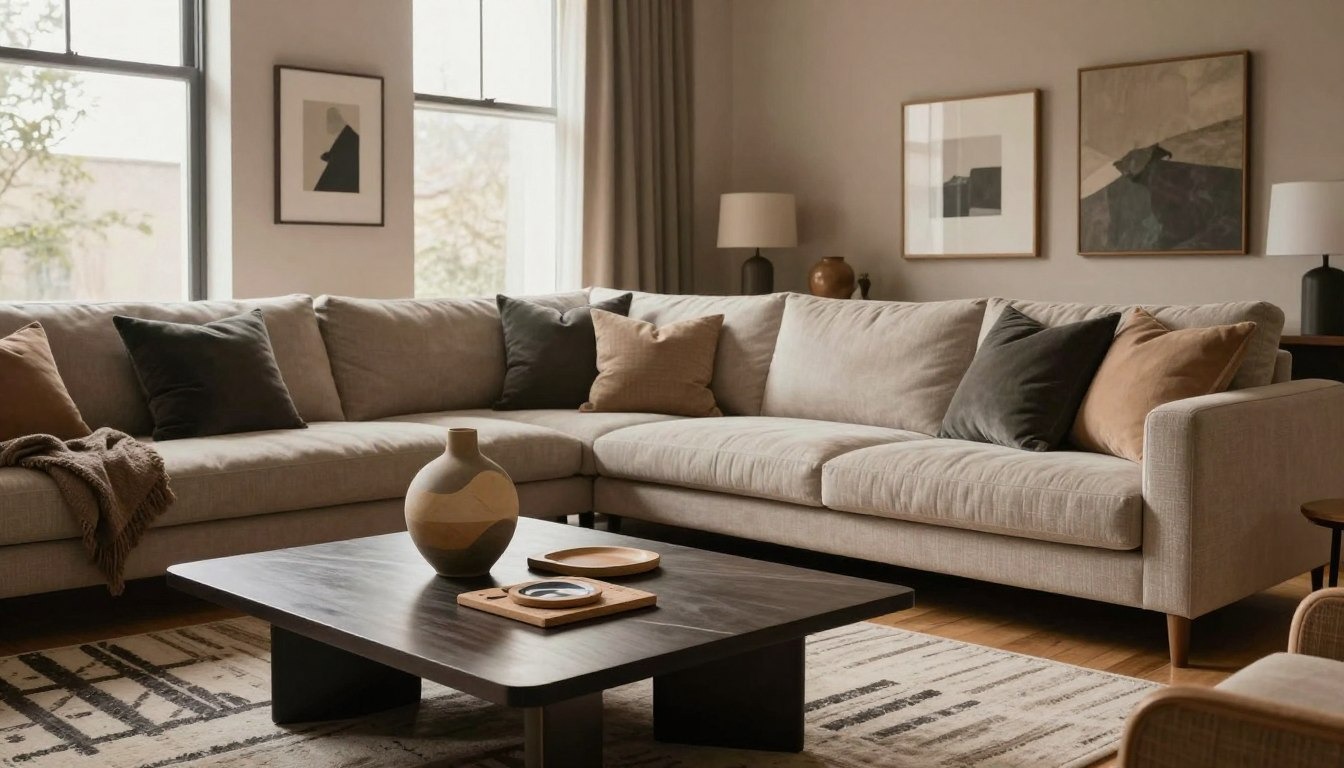
A successful colour palette selection is the foundation of any enduring interior. Instead of opting for high-contrast colours that may lose their appeal, consider neutral tones that provide a versatile backdrop. This approach allows you to update your space easily with smaller accessories rather than expensive renovations.
Focusing on classic textures and materials ensures that your rooms maintain a sense of sophistication. When you choose elements that have stood the test of time, you avoid the common trap of needing to redecorate every season. A thoughtful colour palette selection acts as a bridge between your personal style and a cohesive, long-lasting aesthetic.
Investing in Quality Over Fast-Fashion Decor
The allure of cheap, mass-produced decor is often strong, but these items rarely offer the durability required for a permanent home. Investing in high-quality furniture pieces ensures that your investment pays off through longevity and comfort. Furthermore, incorporating minimalist storage solutions helps maintain a clean, clutter-free environment that highlights your most cherished items.
By choosing fewer, better-made pieces, you allow your home to breathe and showcase your unique character. Minimalist storage solutions are essential for keeping daily life organised without sacrificing the visual appeal of your rooms. This strategy shifts the focus from quantity to quality, ensuring your home remains a place of calm and inspiration.
| Feature | Trend-Driven Approach | Timeless Approach |
| Longevity | Short-term appeal | Lasting value |
| Investment | High frequency, low cost | Low frequency, high quality |
| Visual Impact | Cluttered and busy | Clean and curated |
| Maintenance | Constant updates needed | Minimal effort required |
Balancing Heritage Features with Modern Aesthetics
Achieving a harmonious balance between historic charm and contemporary living is the ultimate goal for many London homeowners. When you live in a period property, the architecture often dictates the flow and feel of your space. Successful period property styling requires a thoughtful approach that respects the past while embracing the comforts of the present.
Preserving Cornicing and Original Fireplaces
Original architectural details serve as the soul of a home. Preserving cornicing and ornate fireplaces adds significant value and character that cannot be replicated by modern construction. Rather than painting over these features, consider restoring them to their former glory with professional cleaning or careful repair.
When selecting furniture, choose pieces that complement the scale of these historic elements. Avoid interior design trends that rely on overly minimalist or industrial styles, as these can often clash with the intricate plasterwork of Victorian or Edwardian rooms. Instead, opt for classic silhouettes that bridge the gap between eras.
Integrating Modern Technology Without Disrupting Character
Integrating modern interior aesthetics into a historic home does not mean you must sacrifice convenience. The key is to hide the “clutter” of modern life, such as cables, routers, and smart home hubs. Bespoke joinery is an excellent way to house technology discreetly within existing alcoves or custom cabinets.
You can also use smart lighting systems that are controlled via mobile apps, removing the need for bulky wall switches that might detract from period wall finishes. By keeping the technology invisible, you maintain the integrity of the home’s original design. This approach ensures your living space remains functional without losing its unique historical identity.
| Feature | Traditional Approach | Modern Integration |
| Lighting | Ornate Chandeliers | Hidden LED Strips |
| Heating | Cast Iron Fireplaces | Smart Thermostats |
| Storage | Freestanding Wardrobes | Bespoke Fitted Joinery |
| Technology | Visible Cables | Concealed Wiring |
Professional Tips for Enhancing Your Home Environment
Every successful London home renovation relies on careful planning and expert oversight. While many homeowners enjoy the creative process, certain projects demand a higher level of technical skill to ensure safety and aesthetic harmony. Recognising when to bring in external support can prevent costly mistakes and ensure your vision comes to life exactly as intended.
When to Consult an Interior Designer
Engaging an interior design professional is often the smartest decision for complex structural changes or large-scale refurbishments. These experts possess the technical knowledge to navigate local planning regulations and building codes effectively. They can also provide access to trade-only suppliers, which often results in higher quality materials at competitive prices.
You should consider professional help if your project involves significant layout changes or bespoke joinery requirements. A designer will save you valuable time by managing contractors and sourcing unique pieces that reflect your personal style. Their ability to foresee potential spatial issues early in the process is invaluable for long-term satisfaction.
Budgeting for Long-Term Home Improvements
Establishing a realistic home improvement budget is the foundation of any stress-free project. It is essential to account for both immediate renovation costs and potential future maintenance. Always set aside a contingency fund of at least 15% to cover unexpected issues that frequently arise in older properties.
Prioritising your spending based on long-term value will ensure your investment pays off over time. Focus your funds on high-impact areas like structural integrity, energy efficiency, and quality finishes that stand the test of time. A well-planned budget allows you to balance your current desires with the practical needs of your home.
| Service Type | Best For | Cost Impact | Time Commitment |
| DIY Approach | Minor updates | Low | High |
| Consultation Only | Design guidance | Moderate | Low |
| Full Project Management | Complex renovations | High | Minimal |
Conclusion
Creating a home that balances historical charm with modern living requires careful planning and a clear vision. Every decision you make impacts the long-term value and comfort of your property.
Engaging an interior design professional provides the expertise needed to navigate complex architectural layouts. These experts help you avoid common pitfalls while ensuring your space reflects your personal style.
Managing your home improvement budget remains a vital part of any successful renovation. Allocating funds toward quality materials and bespoke joinery prevents costly mistakes during the construction phase.
Focusing on these elements allows you to build a sanctuary that stands the test of time. Share your renovation experiences or reach out to local specialists to begin your next project with confidence.
FAQ
How can I best adapt a Victorian or Edwardian layout for modern living?
When approaching a London home renovation, it is vital to respect the original architectural integrity while updating the space. Adapting to Victorian and Edwardian layouts often involves maximising vertical space in terraced homes and using bespoke furniture to fit unique alcoves. By working with the building’s character, you can create a functional interior layout that meets contemporary needs without losing historic charm.
What are the best ways to enhance natural light in dark period properties?
Many period homes suffer from low light due to the design of traditional sash windows. To improve interior brightness, consider strategic mirror placement to reflect daylight into darker corners. Additionally, choosing a light-reflective colour palette selection and employing period property styling techniques can significantly transform the atmosphere of a room.
How do I select the right scale of furniture for compact London rooms?
Avoiding a cluttered aesthetic requires a keen eye for scale and proportion. For smaller London flats, it is often better to invest in bespoke furniture London artisans have crafted specifically for the space. This ensures the furniture fits the dimensions perfectly, allowing for a better flow of movement and a sense of openness even in more restricted areas.
Why is layering lighting so important in small space design?
Proper lighting design tips emphasise that a single overhead light is rarely sufficient. By layering ambient, task, and accent lighting, you can create depth and warmth. Choosing the right colour temperature is also essential for London homes, as the natural light can be quite grey; warmer tones help ensure a welcoming and timeless home environment regardless of the weather outside.
How can I integrate modern technology without disrupting heritage features?
Successfully balancing heritage features with modern interior aesthetics involves seamless integration. Features such as original cornicing and fireplaces should be preserved as focal points, while modern technology can be concealed within bespoke joinery or minimalist storage solutions. This approach maintains the property’s historical soul while providing the comforts of a high-end residence.
What is the danger of following interior design trends too closely?
Following fleeting interior design trends often leads to a home that feels dated very quickly. Instead, focus on curating a timeless home environment by investing in quality over fast-fashion decor. Mixing vintage finds with contemporary pieces and using a sophisticated timeless colour palette ensures your home remains stylish and relevant for years to come.
How should I plan my home improvement budget for a London renovation?
Planning a home improvement budget requires a realistic look at both immediate costs and long-term value. It is often wise to consult an interior design professional early in the process to avoid common interior design mistakes that can lead to expensive revisions. Prioritising long-term home improvements, such as high-quality bespoke joinery and structural repairs, will provide the best return on investment.
How do I maintain a minimalist interior in a busy household?
The key to maintaining minimalist interiors is to prioritise storage solutions. Utilising bespoke joinery for alcoves and under-stair areas allows you to hide everyday clutter. By incorporating hidden storage ideas and space-saving furniture, you can keep the flow of movement clear and ensure that your home remains a calm, organised environment.