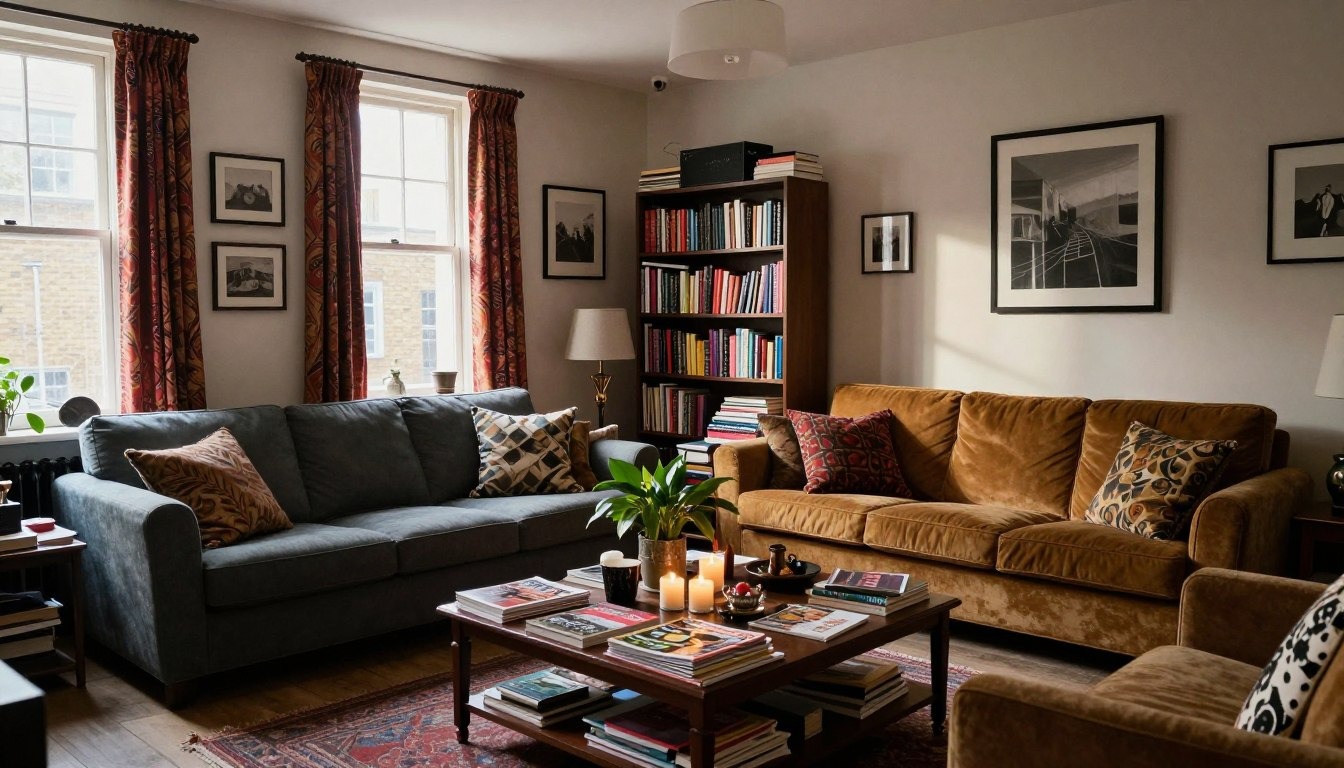
Transforming your home into a sanctuary requires vision, patience, and the right professional support. If you are planning a renovation, you might wonder how to hire interior designer talent that truly understands your unique aesthetic preferences.
Navigating the local market can feel overwhelming, but our guide simplifies the process for homeowners. We provide a clear roadmap to help you select the perfect London and Essex interior design experts for your specific property needs.
You deserve a space that reflects your personality while adding value to your residence. We invite you to book a free consultation today to discuss your vision and start your exciting design journey with confidence.
Key Takeaways
Define your personal style before you begin your search.
Always verify the professional credentials of your chosen specialist.
Establish a realistic budget to ensure project success.
Prioritise clear communication throughout the entire creative process.
Schedule a complimentary meeting to assess compatibility with your chosen expert.
Understanding the Value of Professional Interior Design
Your home is your most significant asset, and professional guidance ensures it reaches its full potential. Engaging professional interior design services is not merely about aesthetics; it is a strategic investment in your quality of life. By working with a skilled designer, you ensure that every decision adds both beauty and long-term value to your property.
How a Designer Transforms Your Living Space
A luxury home renovation requires a keen eye for detail and a deep understanding of spatial flow. Designers look beyond the surface to identify how a room can function better for your specific lifestyle needs. They possess the technical expertise to reconfigure layouts, ensuring that every square metre is utilised with purpose and style.
When you collaborate with a professional, you gain access to a wealth of creative solutions that you might not have considered. They help you avoid costly mistakes while maximising the potential of your existing architecture. Consider these primary advantages of their involvement:
Optimised spatial planning that improves the flow of your daily routine.
Access to exclusive materials and bespoke furniture that elevate your interior.
Enhanced property value through high-quality finishes and timeless design choices.
Stress-free project management that keeps your renovation on track.
The Benefits of Local Expertise in London and Essex
Working with residential design experts who understand the unique character of the region is invaluable. These professionals are well-versed in the specific architectural challenges found in period properties across London and Essex. They know how to blend modern comfort with the historic charm that defines many homes in these areas.
Furthermore, these designers stay ahead of the latest London interior design trends, ensuring your home feels current yet sophisticated. They have established relationships with local tradespeople and suppliers, which helps streamline the procurement process. By choosing someone with local knowledge, you ensure your project respects the local vernacular while reflecting your personal vision.
Defining Your Personal Style and Project Requirements
Your home should be a reflection of your personality, which starts with identifying your aesthetic preferences. Before you invite a professional into your space, taking the time to understand what you truly love will make the entire process much smoother. Clarity at the beginning prevents confusion later on.
Identifying Your Aesthetic Preferences
To communicate your vision effectively, you need to gather inspiration that resonates with your lifestyle. Many homeowners find that creating a digital or physical mood board is one of the most effective home styling tips available. You should look for recurring themes in your saved images, such as specific colour palettes, textures, or furniture silhouettes.
Consider these practical steps to refine your taste:
Collect images from magazines or platforms like Pinterest that capture your ideal mood.
Identify the specific functions your rooms must serve, such as entertaining guests or providing a quiet workspace.
Note which materials, like natural oak or polished marble, make you feel most at home.
Setting Realistic Goals for Your Renovation
Once you have a clear aesthetic in mind, it is time to focus on the practical side of your Essex home improvement project. Whether you are planning a modest update or a full-scale luxury home renovation, setting achievable targets is vital. Being honest about your priorities helps your designer deliver the best possible results.
You should approach your project with a structured mindset to ensure success:
Define the scope: Decide if you are renovating a single room or the entire property.
Establish a timeline: Be realistic about how long high-quality work takes to complete.
Prioritise your needs: Distinguish between “must-have” features and “nice-to-have” additions.
By following these home styling tips, you will be well-prepared to discuss your luxury home renovation with confidence. A well-defined plan ensures that your Essex home improvement journey remains an exciting and rewarding experience from start to finish.
Establishing a Realistic Budget for Your Design Project
A successful renovation begins long before the first hammer swings, starting with a clear financial plan. Engaging professional interior design services requires a transparent approach to your finances to ensure the process remains enjoyable. Proper interior design budget planning acts as the bedrock for your project, preventing stress and unexpected surprises as your vision comes to life.
Understanding Designer Fee Structures
It is helpful to know that experts typically charge in a few standard ways. Some professionals prefer an hourly rate, which is ideal for smaller consultations or specific advice. Others might charge a flat fee for the entire project, providing you with a clear total cost from the start.
Many designers also work on a percentage basis, where their fee is calculated as a portion of the total project cost. Understanding these interior design fees early on allows you to align your expectations with the scope of work. Always ask for a detailed breakdown of what is included in their service to avoid any confusion later.
Allocating Funds for Furniture and Labour
Once you have accounted for professional costs, you must set aside a significant portion of your budget for physical items. High-quality furniture and bespoke materials often represent the largest expense in any renovation. We recommend creating a comprehensive spreadsheet to track these costs, ensuring you prioritise pieces that offer both style and longevity.
Do not forget to account for skilled labour, such as electricians, plumbers, and decorators. It is wise to set aside a contingency fund of at least 10% to 15% of your total budget to cover unforeseen issues. This buffer provides peace of mind, allowing you to handle small adjustments without compromising the quality of your final design.
How to Find the Right Interior Designer London and Essex
Locating a skilled professional to bring your vision to life is a vital step in any renovation. When you decide to hire interior designer talent, you are investing in the future comfort and aesthetic appeal of your home. A methodical approach ensures you find a partner who truly understands your unique requirements.
Utilising Online Portfolios and Social Media
The most effective way to start your search is by exploring an interior design portfolio online. Platforms like Instagram and Pinterest offer a window into the creative process of various residential design experts. Look for consistency in their work to see if their signature style aligns with your personal taste.
Pay close attention to the details within their projects. A high-quality interior design portfolio should showcase a range of completed spaces, demonstrating versatility and technical skill. If their previous work resonates with you, it is a strong indicator that they could be the right fit for your property.
Seeking Recommendations and Checking References
Beyond digital showcases, personal recommendations remain an invaluable resource. Speaking with friends or neighbours who have worked with an interior designer in London and Essex can provide honest insights into the working relationship. You want to know about their reliability, budget management, and communication style.
Once you have a shortlist, do not hesitate to ask for references from past clients. When you hire interior designer professionals, verifying their track record is essential for peace of mind. A reputable designer will be happy to share testimonials that confirm their ability to deliver projects on time and to a high standard.
Check for professional accreditations or memberships.
Review their experience with similar property types.
Confirm their availability for your project timeline.
Evaluating Potential Candidates During the Consultation
Walking into an interior design consultation can feel daunting, but it is a vital step in your home journey. This meeting serves as the perfect opportunity to determine if a professional truly understands your vision. You should treat this time as a two-way conversation to ensure your goals align perfectly.
Questions to Ask About Experience and Qualifications
When you meet a designer, you need to look beyond the surface. Ask specific questions about their interior design qualifications to ensure they have the necessary training and industry recognition. It is also wise to request a detailed interior design portfolio that showcases projects similar in scale to your own.
Do not be afraid to ask about their experience with local planning permissions in London and Essex. You should also seek clarity regarding their interior design fees. Understanding whether they charge a flat fee, an hourly rate, or a percentage of the total project cost will help you avoid surprises later.
Assessing Communication Styles and Compatibility
Technical skill is important, but compatibility is what makes a project successful. Pay close attention to how the designer listens to your ideas. A great designer will ask insightful questions rather than just talking about their own past work.
Consider whether their communication style matches your own preferences. Do you prefer regular phone calls, or are you more comfortable with email updates? Establishing these boundaries early on ensures a harmonious working relationship throughout the renovation process.
Evaluation Criteria – What to Look For – Red Flag
Professionalism – Clear, timely responses – Vague or delayed replies
Transparency – Detailed fee breakdown – Hidden or unclear costs
Listening Skills – Active engagement with your ideas – Pushing their own agenda
Experience – Relevant local project history – Lack of portfolio examples
Navigating the Design Process from Concept to Completion
Every successful renovation project relies on a clear roadmap that guides you from the initial spark of an idea to the final reveal. By following a structured path, you ensure that your home evolves into a space that perfectly balances form and function.
The Initial Site Survey and Briefing
The journey begins with a comprehensive interior design site survey. This essential step allows your designer to assess the structural and aesthetic potential of your property, ensuring that every recommendation is grounded in reality.
Following the survey, the briefing phase takes centre stage. This is where your designer listens to your needs to craft bespoke interior solutions tailored specifically to your lifestyle and daily habits.
Reviewing Concept Boards and Technical Drawings
Once the brief is established, the creative process moves into the visual stage. You will review interior design concept boards, which serve as a mood-setting tool to align your vision with the proposed colour palettes and textures.
These boards often incorporate the latest London interior design trends to ensure your home feels both timeless and contemporary. It is a collaborative moment where you can refine the aesthetic direction before any physical work begins.
Finally, your designer will present detailed technical drawings. These documents are crucial for accuracy, as they map out the precise placement of furniture, lighting, and bespoke joinery. Reviewing these plans ensures that every detail is finalised, providing you with complete peace of mind before the installation phase commences.
Managing the Procurement and Installation Phase
Transforming a concept into a reality requires careful management of the procurement and installation phases. This stage is where your vision truly begins to take shape within your home.
A professional designer ensures that every detail is accounted for, moving from initial sketches to the physical reality of your space. Effective planning is the cornerstone of a successful renovation.
Sourcing Bespoke Furniture and Materials
The procurement phase involves sourcing high-quality items that align perfectly with your design vision. By opting for bespoke interior solutions, you ensure that every piece of furniture fits your room’s unique dimensions and aesthetic requirements.
Your designer will manage the ordering process, ensuring that lead times are tracked and quality standards are met. This attention to detail prevents delays and ensures that your Essex home improvement project remains on track.
Coordinating Tradespeople and Project Timelines
Successful interior design project management is essential to keep your renovation running smoothly. This involves scheduling various specialists, such as electricians, joiners, and decorators, to work in the correct sequence.
Before any work begins, a thorough interior design site survey is conducted to identify any structural considerations. This proactive approach helps avoid costly surprises during the final stages of the build.
Finally, the interior design installation is managed with precision to ensure a seamless finish. By coordinating these complex timelines, your designer ensures that your home is transformed with minimal disruption to your daily life.
Common Pitfalls to Avoid When Hiring a Designer
Protecting your investment starts with knowing exactly what to look for and what to avoid when selecting a professional for your home. While the prospect of a renovation is thrilling, failing to prepare for potential challenges can lead to unnecessary stress. By staying vigilant, you ensure that your project remains on track and within your desired scope.
Misalignment of Expectations and Vision
One of the most frequent issues homeowners face is a disconnect between their personal vision and the final output. This often happens when the initial brief is too vague or when there is a lack of visual reference points. Using detailed interior design concept boards is a fantastic way to bridge this gap and ensure everyone is on the same page.
Clear communication is the bedrock of a successful partnership. If you feel that your designer is not capturing your aesthetic, address it immediately rather than waiting for the project to progress further. A professional will appreciate your honesty and will be happy to refine the direction to better suit your lifestyle.
Ignoring the Importance of a Detailed Contract
Never underestimate the value of a formal agreement. An interior design contract serves as your primary protection, outlining the scope of work, payment schedules, and project timelines. Without this document, you risk facing unexpected costs or disputes that could have been easily avoided.
Before signing, always verify the interior design qualifications of your chosen professional to ensure they have the necessary expertise. Furthermore, robust interior design budget planning should be clearly documented within the contract to prevent any surprises. A transparent agreement provides peace of mind and keeps the professional relationship strictly business.
Potential Risk – Impact on Project – Mitigation Strategy
Vague Briefing – Design dissatisfaction – Use visual concept boards
Hidden Costs – Budget overruns – Detailed contract terms
Lack of Experience – Poor execution – Check professional qualifications
Scope Creep – Timeline delays – Strict budget planning
The Importance of Clear Communication and Feedback
The secret to a stress-free renovation lies in how well you communicate your vision throughout the journey. When you and your designer share a common language, the entire process becomes far more enjoyable and efficient. Transparency is the key to building trust and ensuring that your expectations are met at every stage.
Establishing Regular Progress Updates
Effective interior design project management relies on consistent check-ins. By setting a schedule for weekly or fortnightly updates, you can stay informed about the status of your home without feeling overwhelmed. These meetings provide a perfect opportunity to review the timeline and address any logistical concerns before they escalate.
During these sessions, your designer should provide clear insights into the current phase of your interior design installation. Knowing exactly when tradespeople are arriving or when specific furniture pieces are due to be delivered helps you plan your life around the work. Consider these benefits of regular updates:
Reduced anxiety regarding project timelines.
Immediate resolution of minor site issues.
Clearer understanding of budget allocation.
Stronger working relationship with your design team.
Handling Revisions and Design Adjustments Professionally
Even with the best planning, adjustments are often necessary as a space begins to take shape. It is vital to approach these changes with a professional mindset, keeping your original interior design contract in mind to ensure that any scope changes are documented correctly. Flexibility allows for creative growth, but it must be balanced with clear communication.
“Great design is a collaborative process where feedback acts as the bridge between a concept and a finished, beautiful home.”
When you want to incorporate new home styling tips or tweak a specific detail, be sure to discuss the impact on the overall project flow. A professional designer will always explain how a change might affect the timeline or costs. By maintaining a constructive dialogue, you ensure that your home reflects your personality while staying within the bounds of your professional agreement.
Conclusion
Investing in a professional designer turns your property into a bespoke sanctuary that reflects your unique personality. A well-planned renovation brings lasting value and comfort to your daily life in London or Essex.
Success relies on a strong partnership built on trust and shared vision. Prioritising clear interior design communication ensures your requirements remain at the heart of every creative decision. This collaborative approach prevents misunderstandings and keeps your project moving toward a successful finish.
You now possess the knowledge to select the right partner for your home improvement journey. A productive interior design consultation serves as the perfect starting point to explore your ideas with an expert. This initial meeting clarifies your goals and sets the tone for a seamless transformation.
Take the next step toward creating the home you have always imagined. Reach out to our team to book your free interior design consultation today. We look forward to helping you bring your vision to life with precision and style.
FAQ
Why should I consider hiring professional interior design services in London or Essex?
Engaging a professional ensures that every square metre of your property is utilised to its full potential. Designers bring a wealth of expertise to luxury home renovation projects, offering access to the latest London interior design trends that can significantly increase your property’s aesthetic appeal and long-term market value. By working with experts familiar with Essex home improvement, you benefit from local knowledge and a network of trusted suppliers.
How do interior design fees and budget planning work?
Designer fee structures can vary; some professionals charge a fixed project fee, while others work on an hourly basis or a percentage of the total spend. Transparent interior design budget planning is the cornerstone of a stress-free experience. It involves carefully allocating funds for high-quality furniture and labour to ensure there are no hidden costs as your project progresses from concept to completion.
What is the best way to find the right interior designer in London and Essex for my project?
We recommend a methodical approach by utilising online portfolios and social media platforms like Instagram or Houzz to gauge if a designer’s aesthetic matches your vision. It is equally important to seek personal recommendations and check references to ensure the professional has a proven track record. Always verify their interior design qualifications and membership in professional bodies, such as the British Institute of Interior Design (BIID), for added peace of mind.
What should I expect during the initial interior design consultation?
The initial consultation is an opportunity to assess communication styles and compatibility. You should ask detailed questions about their experience with residential design and how they handle project management. This session often leads to an initial site survey, where the designer begins to understand the structural potential of your home to create bespoke interior solutions tailored to your lifestyle.
How are concept boards and technical drawings used in the design process?
Once the briefing phase is complete, your designer will present interior design concept boards to help you visualise the proposed aesthetic, colours, and textures. Following your feedback, technical drawings are produced to provide precise instructions for tradespeople. This stage is vital for ensuring that every detail is finalised and agreed upon before the installation phase begins.
How is the procurement of bespoke furniture and materials managed?
The procurement phase involves sourcing bespoke furniture and high-end materials that align with your unique home styling tips and quality standards. Effective project management is essential here to coordinate tradespeople and manage project timelines, ensuring all items are delivered and installed seamlessly without disrupting the overall schedule.
What are the common pitfalls to avoid when starting a renovation?
One of the most frequent issues is a misalignment of expectations and vision. To prevent this, always ensure a detailed interior design contract is in place before work starts. It is also important to maintain clear communication and feedback; ignoring the importance of regular progress updates can lead to misunderstandings regarding revisions and design adjustments.
How can I start my interior design journey today?
The most effective way to begin is to book a free consultation. This allows you to discuss your specific goals, explore bespoke interior solutions, and gain the confidence needed to transform your living space into a beautiful, functional home that reflects your personality.